How to Solar Heat
Low cost solar heating is a cost
effective alternative to oil heating. Low cost DIY Solar Heating Panels
are practical. Learn how to solar heat a house and supply domestic hot water at the same
time, but first learn how to build a homemade solar
collectors from recycled materials. Our survival depends on doing
more with less and making the transition
from an oil based, wasteful economy
to a sun based sustainable
social order where Basic Human Needs are more important than the Gross National
Product.
Energy
independent, solar heated houses may not solve all our social and economic problems but a
sustainability, will only happen if we reconnect with the sun and make it so. Few houses are suitable for solar
applications, but they can be made suitable
and new homes can always be built with the sun in
mind. Change is possible. As human beings, we have the ability to comprehend the
nature of corporate greed, unrestrained capitalism and catastrophic runaway global warming. We are
the guardians of Spaceship_Earth
and we have the responsibility to set limits on capitalism
and find alternatives to the fossil fuels that are destroying our planet.
How shall we heat our homes. As Thomas
Edison said in 1939, "We are like tenant farmers chopping down the
fences to fuel our houses when we should be using the energy from the sun..."
Solar
heating a house or preheating a
domestic hot water
system may not sound like a viable solution to social and economic problems, but
this is a step in the right direction. Millions of years are needed to transform decaying micro
organisms into oil and we have already consumed half the Earth's supply. Low cost, home made solar heat panels as well as active
and passive solar heating systems, solar greenhouses, radiant floor heating and
practical heat storage systems could put us all on the road toward energy
independence.
Solar Cats like Harmony Cativan, left, stay warm by finding
sunny places; unfortunately people use petroleum products to stay warm and this
diminishes the value of our planet. Humans consume 100,000,000 barrels of oil a day
and our addiction to these energy concentrates is now at a critical level. Valuable non renewable
resources are burned, rather than being processed into plastics and paints and other valuable products. The air is filled with toxins, asthma related
deaths are on the rise and runaway global warming is more science than
fiction. A well insulated house with a properly oriented array of solar collectors
offers a clean, alternative to the environmental hazards of fossil fuels.
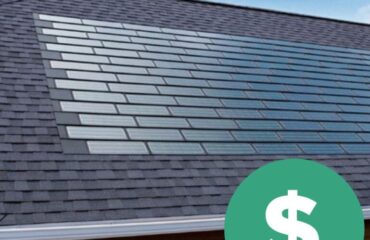
Did you know ...More energy from the sun strikes the surface of the earth in 12 hours than remains within our planets fossil fuel reserves? Many people are put off by solar collectors or photovoltaic panels because they are too expensive or too un-aesthetic for the neighborhood. The good news is that the cost of a Solar Thermal Roof may no longer be an issue in today’s energy market and when it comes to aesthetics just remember that "beauty is in the eye of the beholder" Consider the possibilities of a renewable energy house designed for the brave new Solar Politics for a Small Planet.

Photovoltaic
applications can
supply the electrical power and solar thermal applications can supply heat.
Together these applications can supply a household with all the energy
requirements. An installed 5K PV system may have a price tag of $50,000 and an
installed 10 m2 DSHW (Domestic Solar Hot Water) may
be professionally installed at a cost of $10,000...
STILL TOO MUCH?
PV takes longer to reach pay back status.
How about a DIY home heating and DHW system for $2000? If you are good with a table saw and drill a homemade solar thermal application may be a cost effective option, but before going down this road be sure you understand the basics.
1. Glazing Material research : There are a variety of glazing materials on the market today with a variety of special properties and special price tags. This interactive research exercise is designed to help clarify the properties and prices of the glazing materials available. The information provided is incomplete and a bit crude, but it's a start.
2. Glazing
Materials experiment : Devise experiments to test the heat
trapping abilities of various glazing materials. If you're at a loss for ideas
move on to the next exercise. 
3. Hot Box : Build two solar hot boxes and conduct solar thermal experiments that demonstrate the greenhouse effect. Paint the inside of one black and the inside of the other white. Take temperature readings every minute in bright sunlight and plot graphs of your results. Explain why one solar hot box gets hotter than than the other. Use different glazing materials and repeat this experiment.
4. Concentrators : In this exercise we'll build and test a parabolic trough solar concentrator. What are the advantages and disadvantages of a parabolic trough concentrator with a tracking device? Parabolic dish concentrators can produce higher temperatures than parabolic trough concentrators so why are they not more popular? Define heat...
5. Window Box : This is a nice, simple experimental project that can actually add heat to a room in the dead of winter. It demonstrates a passive, thermo-siphoning, heat transfer system. Not the most practical heat harvesting project, but it's a great starter project for the novas. Mother Earth News has published a great article on what the call the Heat Grabber. This could be the simple solar heating starter project you've been looking for.
6. Solar Heat Gain Design and build a direct gain solar greenhouse. Sometimes a solar greenhouse is only used to moderate greenhouse temperature swings so that plants can survive a harsh winter. Collect temperature swing data from a greenhouse with and without a heat storage. Explain the significance of your findings.
7. Heat Loss Direct gain heating systems have a high heat loss. Measure the temperature drop of a ceramic cup of boiling water over a period of 10 minutes. Repeat the experiment with a Styrofoam cup. Now place a lid on the Styrofoam cup and repeat the experiment. Can you estimate the R value of the cups from your data? what are your conclusions?
8. Heat Storage The intermittent nature of sunlight necessitates a means of storing heat so that it may be used as needed. This exercise is designed to introduce a few heat storage facilities that may build and tested. Students are encouraged to use their imagination. This exercise should be thought of as introduction to alternative methods of heat storage.
9. Trombe Wall Build a working passive solar-heating, modified, Trombe Wall and demonstrate how it can add daytime heat to a house without loosing that heat at night.

10. Solar greenhouse Build a passive solar greenhouse, experimental model. Measure temperature differences at various levels inside the greenhouse and trace the convective currents that push their way into the house.
11. Batch Heater A Bread Box consists of a direct- gain, direct-heating, passive solar hot water tank. The hot water stored in the tank is used to preheat household water. Build a simple Bread Box solar hot water heater, collect data and explain the advantages and disadvantages of this solar heating system.
12. Solar Collector :Build an experimental solar collector and demonstrate how solar hot water can be made. This project is more advanced than the others and will cost you more in labor and money, but the results could be very impressive.
13. Radiant Floor Heating : Make a model of a radiant heating system. Explain why radiant heating is used for solar heating systems.
14. Solar House Design : Design an energy independent house. How many collectors should you use. How big should the multi tank heat storage vault be? How many photovoltaic panels will you need? Calculate the heat gain and the heat loss of this house.
15. Solar Thermal Roof : Make a scale model of a house with a solar thermal roof. Calculate how much fuel oil energy it will save in a year.
16. Solar Thermal Engine : Design a solar thermal engine and integrate it into a solar thermal house design.
17. Solar Hot Water Systems batch heater, drain down, drain back, trickle down, and closed loop.
18. Plant Bed Heating A method of storing greenhouse heat where it is needed most...in the plant bed.
19. First MTD Collector A learning experience
20. Trickle Down Solar Heating A revolutionary, low cost, home heating and domestic hot water system designed for the do -it- yourselfer.
I hope this cram course in solar thermal energy technology has been of some help. World oil production is greater now than it has ever been but the oil wells will soon run dry and production will slow down. Unfortunately the demand for low cost energy will continue to rise. Which way will you slide when the mountain of oil disappears. I hope it's on the side of MTD.
MTD Solar Collector
KIT
Differential Controller KIT
Collector Efficiency
Trickle Down Solar Heating
MTD Solar Heating
MTD Solar Home
MTD Data
Energy Alternatives
Green Collar Work
Solar Heating
in December
Solar Heating in January
Multi Tank Heat Storage
DIY Solar Heating Panels
Sustainable Living Homesteads
Gallery of Solar Homes
Solar Heated Workshop Plans
Sustainable Solar Heated Workshop
Energy Czar
Sun Money from a Solar Workshop
Solar Thermal Roof
Solar Heated Roof